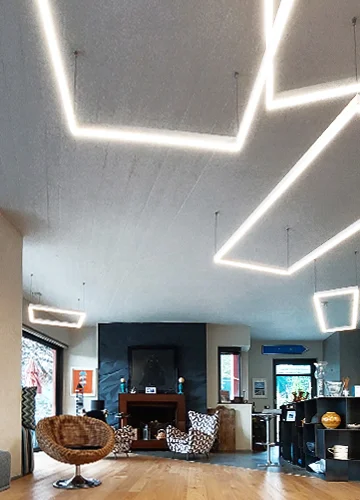
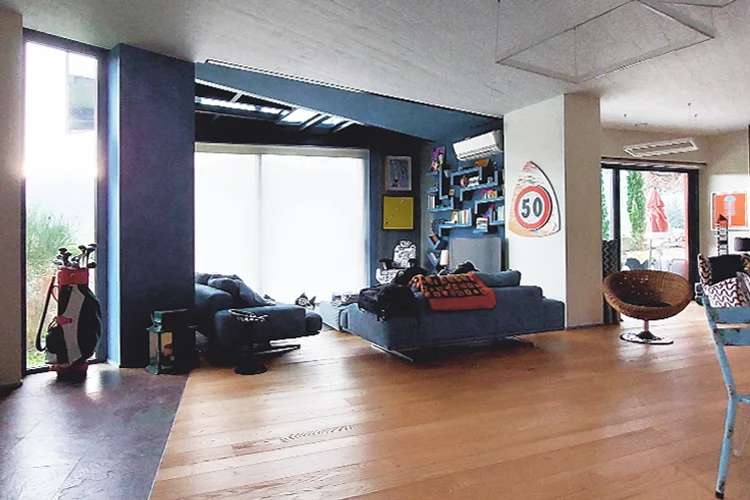
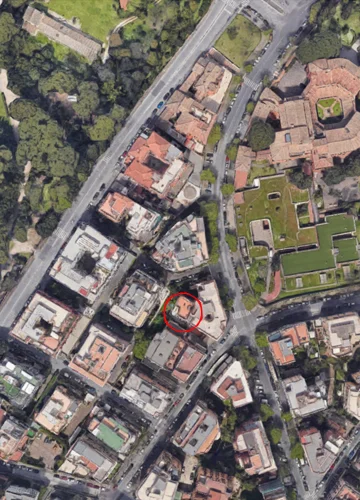
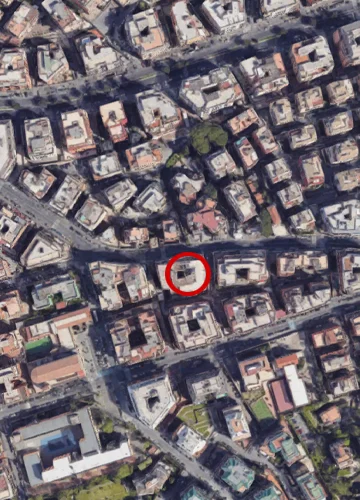
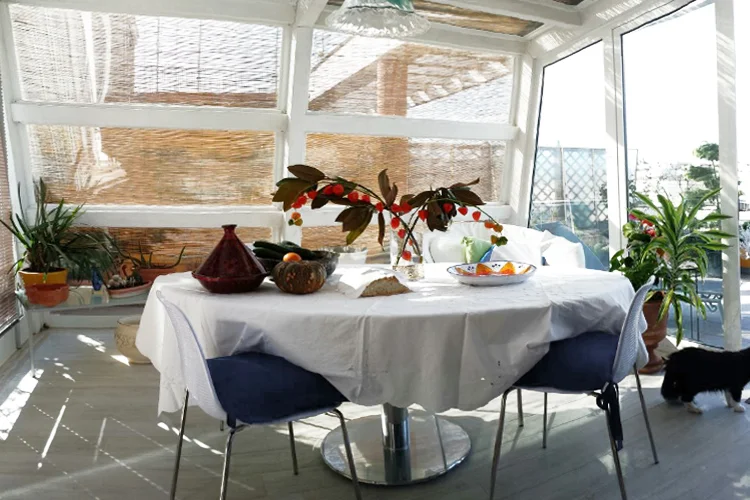
The interiors of the Garlenda villas are conceived to foster the harmonious fusion between inside and outside, between architecture and nature.
Apartment with Greenhouse in the Garden
Roma (RM) 2015
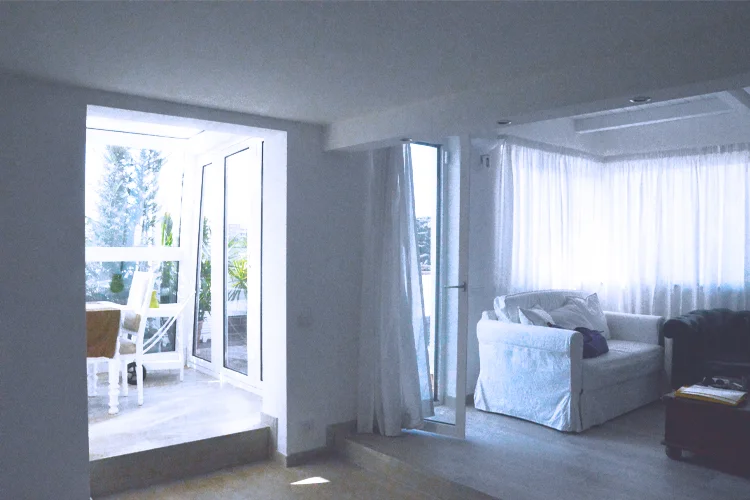
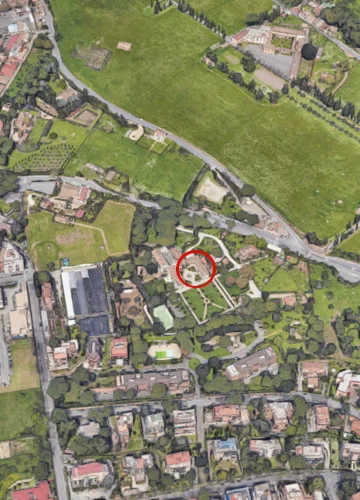
The interior space of the house is based on two ideas: letting natural light filter into the entrance, the darkest point of the home, and creating a passive greenhouse in the garden.
Apartment with Greenhouse on the Terrace
Roma (RM) 2014
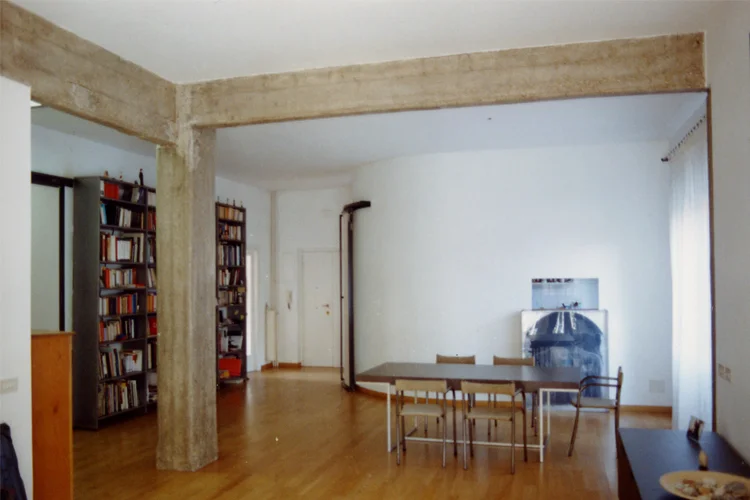
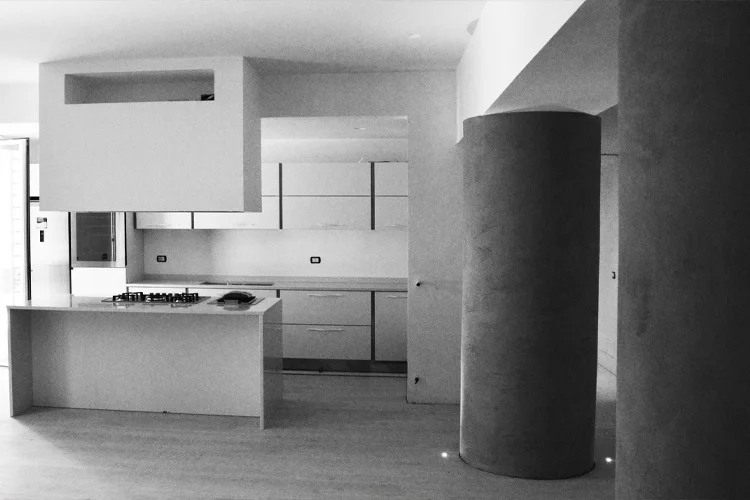
The interior space of the house is transformed into a container of light. The inside/outside interplay, through the new legally required openings and the passive greenhouse, becomes the recurring theme of the whole perceived space. Three reinforced-concrete pillars, transformed into fair-faced concrete columns, become the new keys of the entire spatial score.
Penthouse with Greenhouse
Roma (RM) 2013
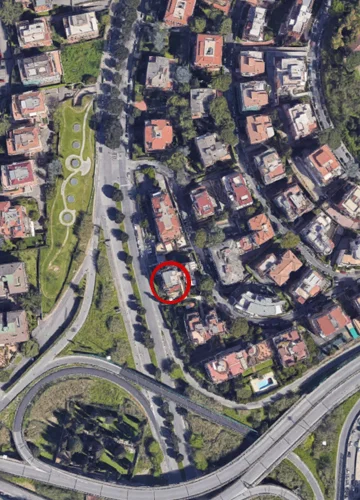
The renovation of the penthouse, located in a former regularised washhouse, required complete demolition for reasons of structural safety and energy saving.
Urban Farmhouse
Roma (RM) 2005
Extraordinary maintenance and structural consolidation carried out on an urban farmhouse dating from the early 1900s. Designers: Arch. Danilo Parisio with Arch. Enrico Cerioni. Site supervision by Enrico Cerioni.
Rural Farmhouse
Barbania (TO) 2005
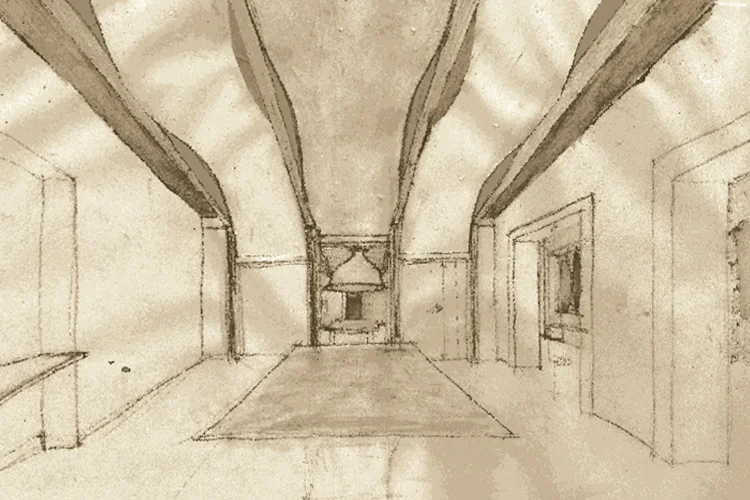
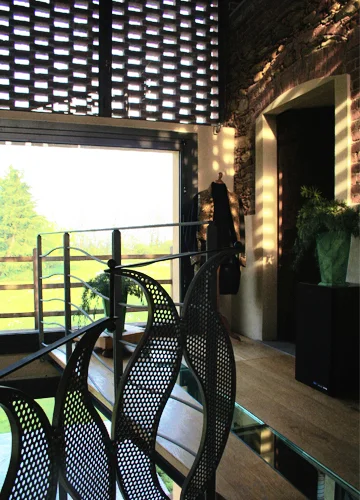
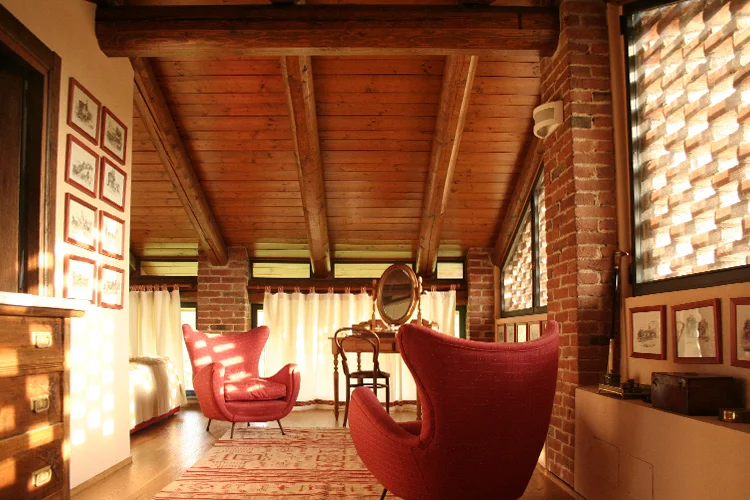
The interior of the Barbania farmhouse has been conceived as the set-up of a gallery, where one perceives both the interior space and the nearby landscape, enriched by important memories of the past: a small family chapel from the late Mannerist period and a stone well from the 16th century.
Apartment
Roma (RM) 2000
The house is born from the meeting of affinities between two completely different figures: the Client and the Architect. This made it possible to work on the concept of extreme reduction of the elements that compose the space.
Historic Apartment
Roma (RM) 1998
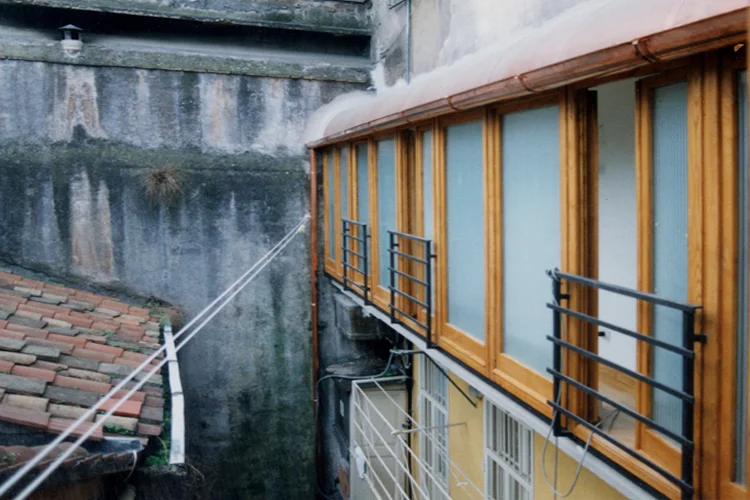
Extraordinary maintenance and replacement of an existing degraded veranda.
Penthouse on the Gulf
Napoli (NA) 1996
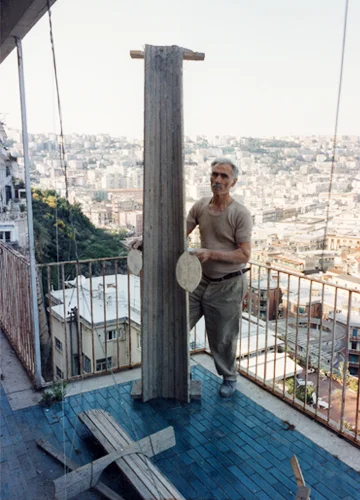
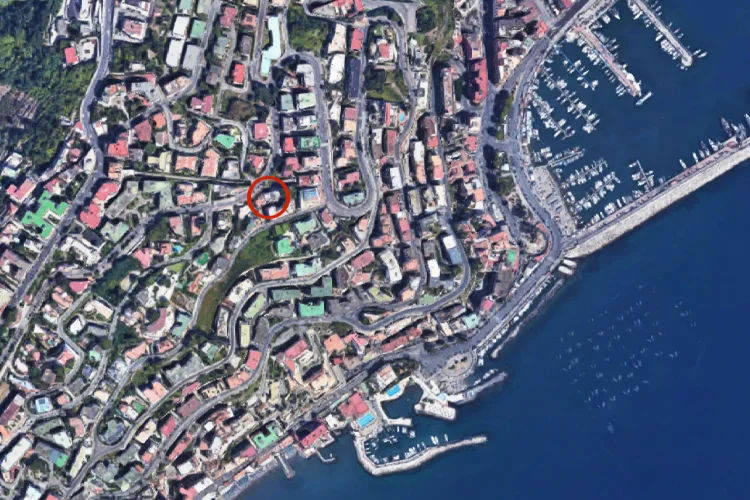
The renovation of an apartment arranged on two levels—top floor and super attic—which, from Via Orazio, overlooks the entire Gulf of Naples, became an opportunity to engage in a dialogue with that vast seascape.